
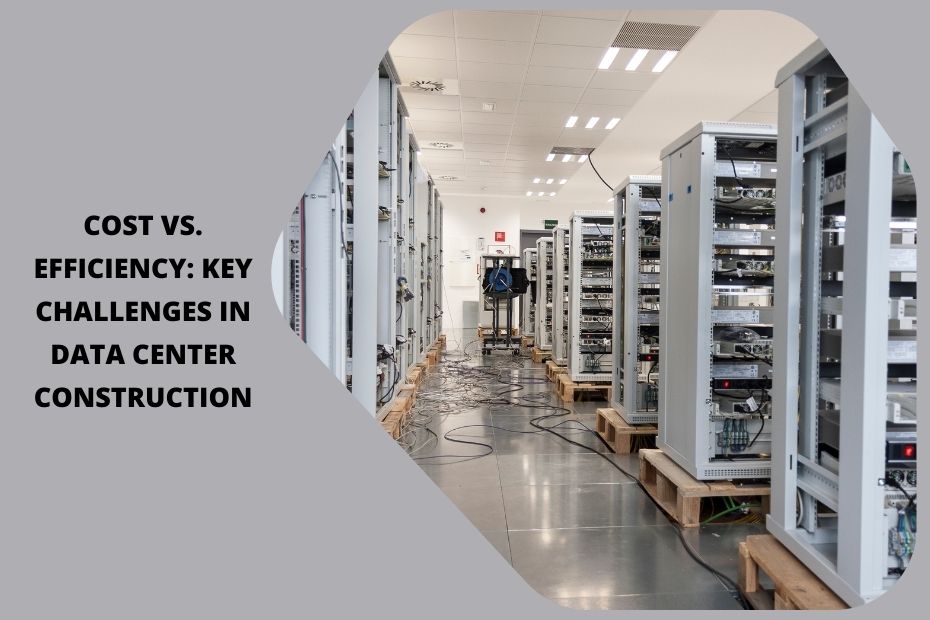
Over the years, I’ve worked with teams on various data center projects, and one thing that always stands out is how balancing cost and efficiency is a delicate dance. As demand for high-performance data centers continues to grow, driven by advancements in cloud computing, artificial intelligence, and data analytics, the pressure to deliver efficient yet cost-effective facilities has never been higher. This article will walk you through the key challenges faced during data center construction and what it takes to overcome them while keeping budgets in check.
Managing the Rising Costs of Data Center Construction
Construction costs have been climbing steadily due to several factors—rising material prices, skilled labor shortages, and the high demand for specialized equipment. In competitive regions where tech infrastructure is booming, such as Silicon Valley or Tokyo, securing land and resources adds another layer of complexity.
From my experience, one effective way to tackle this challenge is by embracing modular construction methods. Prefabricated components built off-site can significantly reduce labor expenses and construction time. However, modular solutions require careful upfront planning. Cutting corners here can result in higher costs down the line when retrofitting becomes necessary.
At the end of the day, it’s all about balancing short-term expenditure with long-term savings. Spending a bit more on well-planned designs upfront often leads to lower operating expenses over the life of the facility.
Striking the Right Balance in Energy Efficiency
Energy consumption is always top of mind when planning data centers. These facilities are power-hungry beasts, with servers running 24/7 and generating massive amounts of heat. To put things into perspective, data centers account for over 1% of the world’s total electricity use—a number that’s only expected to grow.
Whenever I’m involved in data center projects, one key focus is keeping the Power Usage Effectiveness (PUE) ratio as low as possible. PUE measures how efficiently a data center uses energy—lower numbers indicate better performance. Achieving a low PUE requires investing in energy-efficient servers, advanced power management systems, and renewable energy sources.
While energy-efficient solutions often come with a higher price tag, they pay off in the long run by slashing operational costs. That said, not every project can afford the best equipment right away, so it’s critical to assess what provides the best return on investment over time.
Implementing Advanced Cooling Solutions
Cooling systems are a major factor in both cost and efficiency. I’ve seen situations where outdated air-cooling methods struggled to keep up with modern high-density server racks. That’s why advanced cooling technologies like liquid cooling and evaporative cooling are becoming more common.
Liquid cooling, in particular, has impressed me with its ability to handle high-heat loads efficiently. It involves circulating a coolant directly around the heat-generating components, making it far more effective than traditional air cooling. However, the initial investment for these systems is substantial, and not every project can justify the cost unless they’re dealing with extremely high-density setups.
Choosing the right cooling solution comes down to understanding the specific requirements of the facility and striking the right balance between upfront cost and long-term operational efficiency.
Navigating the Complexities of Site Selection
When scouting for data center locations, several factors must be weighed—real estate costs, access to power and telecommunications infrastructure, and environmental risks. In densely populated cities, real estate prices can be astronomical, but the connectivity benefits often justify the cost.
In rural areas, land might be cheaper, but ensuring reliable power and connectivity can drive up costs. Another factor I always consider is proximity to renewable energy sources. With sustainability being a growing concern, building near wind farms or solar installations can offer long-term benefits.
Every site comes with trade-offs, and selecting the right one requires a thorough cost-benefit analysis. Making the wrong choice can lead to years of operational headaches and unplanned expenses.
Ensuring Compliance with Regulatory Requirements
Data centers operate under a web of regulations—environmental standards, data security laws, and energy efficiency mandates. Navigating these regulations can be a daunting task, especially when building in regions with strict compliance requirements.
Whenever I’m involved in a project, I stress the importance of incorporating regulatory considerations right from the design phase. It’s far cheaper and easier to build a compliant facility from the start than to retrofit one later. Certifications like LEED (Leadership in Energy and Environmental Design) can add credibility to a data center project and attract environmentally conscious clients.
Ignoring regulatory requirements isn’t just risky—it can lead to costly fines and reputational damage. Staying ahead of the curve here ensures smoother operations down the road.
Designing for Scalability and Future Growth
Building a data center is a long-term investment, so scalability is always a critical factor. Technology evolves rapidly, and what meets today’s needs might not be enough five years down the line. That’s why I advocate for designing facilities with flexibility in mind.
Modular designs are a great solution. They allow for phased expansion, meaning you can start with a smaller facility and scale up as demand grows. This approach spreads out costs over time and minimizes the risk of overbuilding.
However, scalability requires careful planning. Failing to account for future growth can result in costly retrofits or even the need to build entirely new facilities.
Incorporating Robust Security Measures
Data security is non-negotiable. A breach can result in significant financial losses and damage to a company’s reputation. That’s why security needs to be baked into the design from day one—both physical and digital.
On the physical side, this means controlled access, advanced surveillance systems, and perimeter fencing. On the digital front, robust cybersecurity protocols are essential. Every project I’ve worked on has prioritized end-to-end encryption, firewalls, and real-time threat monitoring.
Yes, implementing these measures increases costs, but the alternative—facing a data breach—is far more expensive. In this industry, it’s always better to be over-prepared than under-protected.
Key Challenges in Data Center Construction
- Rising construction costs due to materials and labor.
- Managing high energy consumption with efficient systems.
- Implementing advanced cooling solutions.
- Balancing site cost, connectivity, and renewable energy access.
- Ensuring regulatory compliance and scalability.
- Incorporating robust physical and digital security measures.
In Conclusion
Constructing a data center isn’t just about putting up walls and filling them with servers—it’s about creating a facility that’s cost-effective, efficient, scalable, and secure. Rising costs, energy consumption, cooling needs, and regulatory hurdles are just some of the challenges developers face. But with smart planning, innovative technologies, and a clear understanding of long-term goals, it’s possible to build data centers that not only meet today’s needs but are ready for tomorrow’s demands. Balancing cost and efficiency is tough, but getting it right means delivering better services to clients while staying competitive in a rapidly evolving industry.

Barry Bekkedam is an entrepreneur and finance executive focused on investment management and advisory. A former Villanova standout and member of Canada’s men’s national basketball team, he now leads ventures in asset management and philanthropy, including the Barry Bekkedam Foundation supporting education and community development.