
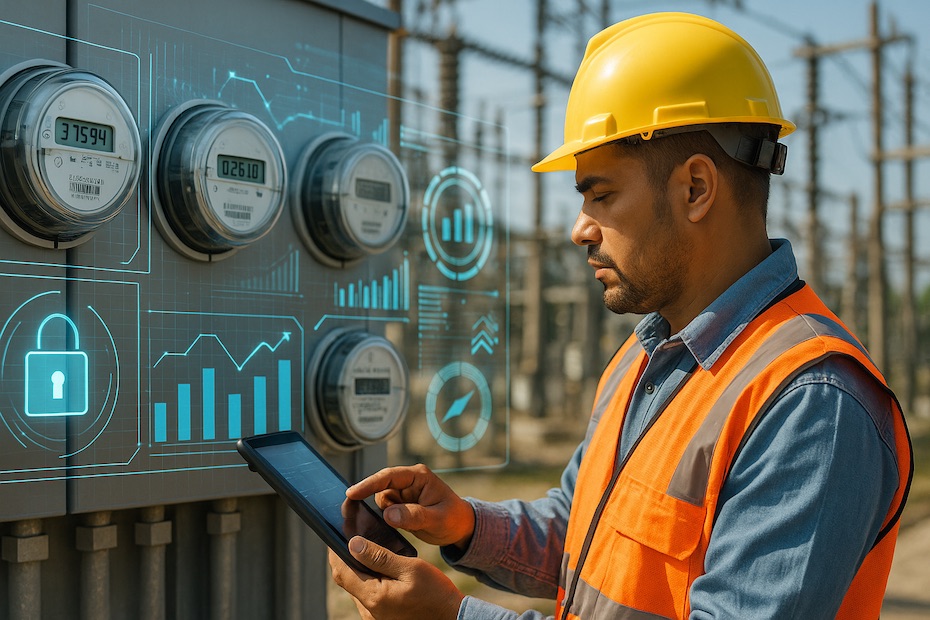
You’re navigating a utility environment where digital transformation is no longer optional—it’s the foundation of staying reliable, efficient, and competitive. The shift toward smart infrastructure, automated maintenance, data-driven planning, and enhanced customer experience is redefining how you operate. Whether you manage field crews, oversee asset performance, or handle grid optimization, you’re facing daily pressure to modernize. This article gives you a practical explanation of how digital transformation is changing utility support. From smart meters and AI-driven diagnostics to integrated customer portals and cybersecurity reinforcement, each section walks you through the core benefits, tools, and real-world use cases that help you lead the charge in a changing industry.
Smarter Asset Management with Real-Time Monitoring
You no longer rely on static inspection schedules or reactive maintenance. With IoT-enabled sensors embedded in your utility assets, you get continuous performance data. Voltage fluctuations, thermal stress, pressure anomalies—these are now tracked in real time. What used to take a monthly check-in can now be flagged within minutes by algorithms that alert you to out-of-tolerance performance. You move from “inspect and guess” to “monitor and act.”
By pairing this live telemetry with analytics tools, you gain visibility across your infrastructure—whether it’s underground pipelines, water treatment pumps, or overhead transmission lines. Asset performance dashboards make it easier to prioritize repairs and allocate crews based on actual need. You’re able to extend the life of your infrastructure, reduce service disruptions, and target investment more precisely.
Smart Metering Transforms Customer and Operational Efficiency
You’ve seen the shift from analog to smart meters bring more than billing accuracy. With advanced metering infrastructure (AMI), your team can access real-time usage data, detect outages without waiting for customer calls, and even initiate remote service shutoffs or reactivations. These meters create a direct data stream between the grid and your operations team, improving outage diagnostics and usage transparency.
Customers also benefit from this shift. They now get granular insights into their usage patterns, peak times, and potential cost savings with demand response programs. When people understand how their behavior impacts their bills, you reduce service calls and disputes. That means fewer complaints and more informed energy decisions—without lifting the phone.
Grid Modernization Through Responsive Infrastructure
You’re not just maintaining infrastructure—you’re enabling it to think and respond. Grid modernization means integrating distributed energy resources like solar, wind, and battery storage into an intelligent, coordinated system. Sensors and automation technologies allow the grid to detect faults, reroute power, and restore service automatically without manual intervention.
This two-way communication changes the role of utilities. You’re now managing dynamic, decentralized energy flows. With tools like supervisory control and data acquisition (SCADA) systems and advanced distribution management systems (ADMS), you improve grid visibility, reduce outage durations, and strengthen your ability to balance load during peak events. Your network becomes more adaptive—because it’s no longer waiting on you to tell it what to do.
Predictive Maintenance Replaces Reactive Repairs
You’re cutting down on surprise failures thanks to predictive maintenance powered by artificial intelligence and machine learning. These tools analyze historical performance data, identify wear patterns, and flag components likely to fail before they actually break. That gives you the opportunity to schedule maintenance when it’s most convenient—not after a critical disruption.
You can even model various failure scenarios based on equipment age, location, and usage patterns. This lets you prioritize upgrades, plan capital expenditures smarter, and avoid unnecessary emergency dispatches. If your operations depend on transformers, water pumps, or circuit breakers, predictive maintenance turns reliability from a gamble into a data-backed decision.
Customer Experience Built Around Digital Convenience
You know that utility customers expect the same digital convenience they get from banks, airlines, and retail. That’s why you’ve introduced self-service portals, mobile apps, automated alerts, and easy payment systems. These tools reduce call volumes, increase satisfaction scores, and simplify how users interact with your brand. With usage dashboards and personalized tips, customers feel more control—and that makes them more loyal.
Beyond convenience, digital tools also support faster responses during service interruptions. Real-time outage maps, restoration timelines, and automated notifications build transparency. And when customers feel informed, they’re more patient during unexpected events. This isn’t just about technology—it’s about trust.
Cybersecurity as a Core Operational Pillar
You can’t scale digital utility operations without securing them. Cyber threats now extend beyond billing platforms—they target your SCADA networks, substation controls, and customer databases. As you expand your digital infrastructure, your attack surface grows. That’s why utility-grade cybersecurity must include multi-factor authentication, encrypted communication protocols, and constant vulnerability scanning.
You’re also training your workforce to recognize social engineering attempts and phishing risks. Even the smartest tech can fail if human error opens the door. Modern utility security includes both digital firewalls and cultural awareness, and it’s now baked into every system deployment or cloud integration from day one.
Evolving Your Workforce with Digital-First Skills
You’re investing in tools—but you can’t ignore people. Your workforce needs training in new software, mobile diagnostic devices, GIS mapping, and drone inspections. Technicians are no longer just repair specialists—they’re data interpreters, mobile analysts, and remote collaborators. And the way you hire is changing too, as tech-savvy recruits prioritize automation-friendly employers.
Cross-training teams on both field and IT systems creates agility. You reduce handoff errors, boost first-time fix rates, and free up time for proactive work. As your utility support operations become more digital, the value of human oversight and skill diversification rises—not declines.
Key Digital Tools Driving Utility Support
- IoT monitoring boosts asset performance
- Smart meters improve billing and diagnostics
- Grids adapt with automated fault response
- AI forecasts failures for proactive fixes
- Apps improve customer satisfaction and trust
Get Ahead with Digital Utility Support
You’re now equipped with a deeper understanding of how digital transformation is improving every layer of utility support. From asset tracking and predictive maintenance to smarter grids and customer self-service, your utility operation can move faster, respond better, and reduce cost over time. You don’t need to transform everything at once. Start where your reliability gaps are largest, choose the tools with clear ROI, and bring your workforce along with focused training. In this shift, your edge isn’t just technology—it’s execution.
For practical insights on modernizing utility operations through digital transformation, follow me on X.

Barry Bekkedam is an entrepreneur and finance executive focused on investment management and advisory. A former Villanova standout and member of Canada’s men’s national basketball team, he now leads ventures in asset management and philanthropy, including the Barry Bekkedam Foundation supporting education and community development.