
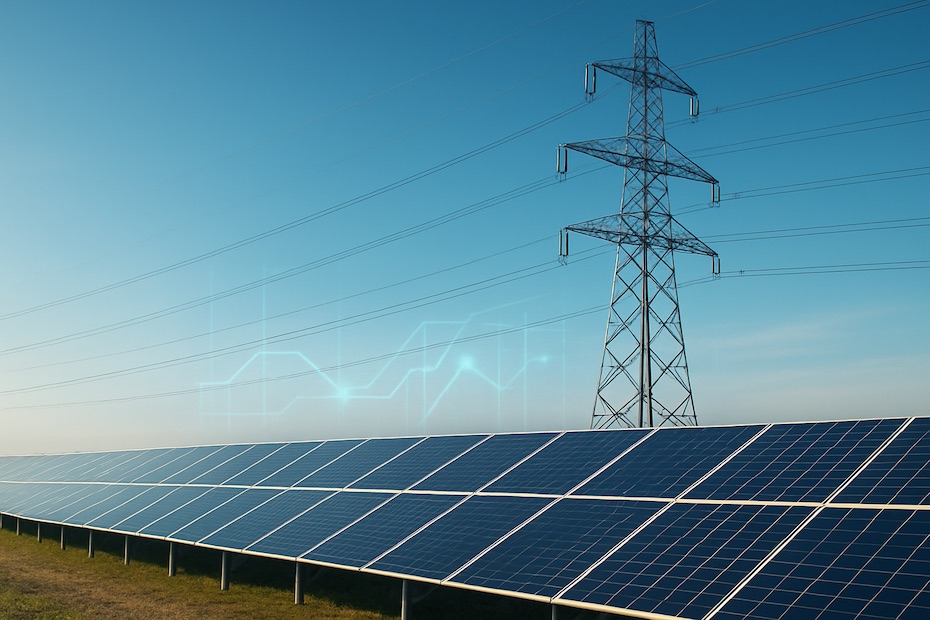
You’re facing the new normal in utility operations—solar power is no longer just a rooftop accessory or utility-scale pilot project. It’s a growing contributor to base load capacity in regions across the world, and with that growth comes operational complexity. You’ve got variable inputs entering systems built for steady flows, new types of inverters replacing spinning machinery, and demand that doesn’t always match generation curves. This article walks you through how solar energy affects the modern utility grid. From voltage control and frequency stability to curtailment, power quality, and the role of energy storage, each section covers a practical area where solar interacts with your grid infrastructure—and how you can manage those interactions without sacrificing reliability or economic efficiency.
Solar Output Is Intermittent, But Demand Isn’t
One of the first impacts you deal with is solar’s variability. Unlike fossil or hydro plants, solar doesn’t respond to dispatch orders in real time. Output depends on weather conditions, season, time of day, and cloud coverage. The challenge becomes more pronounced during what’s called the “duck curve”—a sharp midday drop in demand caused by high solar input, followed by a steep ramp-up in the evening as the sun sets and demand spikes. You need to have dispatchable generation or energy storage ready to fill that gap or risk falling short during peak hours.
That volatility also means you’re balancing resources faster than before. You’ve likely seen load-following requirements increase for conventional generators that were never designed for daily starts and stops. That increases wear and shortens equipment lifespan unless you have digital controls in place to optimize dispatch timing.
Voltage Control Gets Complicated with High Penetration
Solar systems, especially at the residential and commercial levels, feed electricity back into distribution systems originally designed for one-way power flow. As solar penetration grows, voltage levels can rise above or fall below recommended thresholds—especially on sunny days with low local demand. That introduces risks not just for equipment but also for service quality.
You’re now deploying smart inverters and voltage regulators to absorb or inject reactive power on demand. These technologies help stabilize voltage, but they need coordination. Without system-wide visibility, one smart device correcting voltage might conflict with another down the line. That’s why you’re moving toward centralized or distributed control systems to orchestrate grid-edge behaviors more effectively.
Less Rotational Inertia Creates Frequency Instability
Traditional thermal generators contribute inertia to the system, naturally resisting frequency changes. But with solar inverters replacing large spinning turbines, you lose that stabilizing effect. Frequency becomes more volatile, and small imbalances between supply and demand can escalate into larger disruptions if not quickly corrected.
You now have to think about synthetic inertia—algorithms within inverters that mimic the physical response of spinning mass. These systems can inject or absorb power rapidly, helping you stabilize frequency within milliseconds. But they must be well-calibrated and responsive to grid conditions. Battery systems and fast-response assets like flywheels also serve as valuable tools when you’re balancing frequency with a growing share of inverter-based generation.
Harmonic Distortion and Power Quality Are New Frontiers
As more solar inverters feed into your network, power quality becomes a pressing issue. Many inverters, especially older or lower-cost models, introduce harmonics—distorted waveforms that can interfere with other equipment. You may also see voltage flicker, nuisance tripping of protection devices, and issues with sensitive loads like medical equipment or industrial drives.
You need tighter interconnection standards and inverter certification programs to avoid grid contamination. At the same time, you’re deploying harmonic filters and advanced monitoring tools to diagnose trouble spots. Newer inverters with grid-forming capabilities provide cleaner outputs and can help you minimize power quality concerns, but adoption varies widely.
Curtailment Is a Costly Waste of Clean Energy
You’ve likely experienced periods when solar generation exceeds system demand or exceeds your transmission capacity. In those moments, without storage or flexible loads, you’re forced to curtail solar production—shutting down clean, low-cost energy that’s already available. This wastes resources and reduces project revenues for solar asset owners.
Curtailment becomes more common as solar capacity rises unless you build system flexibility. You need demand response programs, dynamic pricing, and load-shifting technologies to absorb excess generation. Batteries, especially when co-located with solar, allow you to store overproduction and deploy it later. Grid enhancements, like upgraded substations or regional interties, also help distribute solar more effectively.
Energy Storage Balances the Grid—But It’s Not Just About Batteries
You probably already use lithium-ion battery installations to time-shift solar generation, but that’s only part of the picture. Pumped hydro, compressed air, and thermal storage also support grid balance, particularly for longer durations. Vehicle-to-grid systems are emerging as a new tool, allowing you to draw stored energy from parked electric vehicles during high-demand periods.
The key is to integrate these systems into your dispatch models and SCADA platforms. Storage is most valuable when it’s flexible—able to charge, discharge, and support frequency or voltage as needed. Paired with solar, storage smooths the duck curve and turns solar into a more reliable resource.
Smart Grid Integration Makes Solar Manageable at Scale
With all these changes, you need visibility and control. That’s where smart grid technologies come in. Advanced metering infrastructure, distribution management systems, and real-time data analytics allow you to track generation and demand at a granular level. You can now pinpoint voltage issues, spot reverse power flows, and adjust settings automatically across substations or feeders.
Digital control systems also enable you to treat distributed solar not as a problem, but as an active participant. Through inverter communication protocols like IEEE 1547-2018 or OpenADR, you can request voltage support, frequency response, or even scheduled output adjustments. This transforms solar from a passive variable into a controllable resource.
Key Grid Impacts of Solar Energy
- Solar causes load volatility and duck curve effects
- Voltage spikes require smart inverters for control
- Reduced inertia affects frequency stability
- Power quality issues rise with low-grade inverters
- Curtailment increases without storage or demand flexibility
Keeping Your Grid Strong with Solar on the Rise
You’ve now seen the full picture: solar changes grid operations at every level—from stability and voltage to scheduling and economics. As its share grows, your job shifts from reactive correction to proactive coordination. Investing in smart grid tools, distributed storage, and smarter interconnection rules helps you unlock solar’s benefits without compromising reliability. Managing the grid in this new era isn’t about resistance to change—it’s about anticipating the effects, designing for them, and scaling up systems that can handle variability while delivering dependable service. Solar doesn’t weaken the grid when you plan for it—it strengthens it when you’re ready.
For clear, real-world insights on how solar power is transforming utility grid operations, follow me on Linkedin.

Barry Bekkedam is an entrepreneur and finance executive focused on investment management and advisory. A former Villanova standout and member of Canada’s men’s national basketball team, he now leads ventures in asset management and philanthropy, including the Barry Bekkedam Foundation supporting education and community development.